
6 Common Household Causes of Hidden Water Leaks
Published
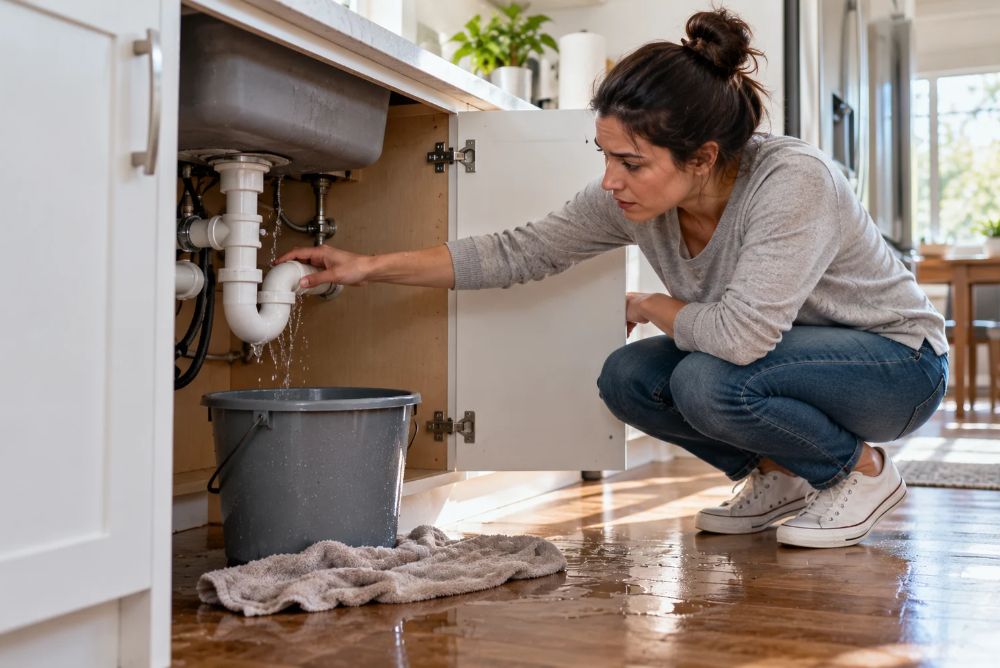
Hidden water leaks often develop behind walls, beneath floors, or around household appliances, making them difficult to detect early. Aging pipes, faulty connections, and worn appliance components can allow water to escape slowly, causing damage that may go unnoticed for weeks or months. By the time visible signs appear, homeowners may already be dealing with damaged materials, persistent moisture, or mold growth.
Understanding the common hidden water leak causes can help Olympia and Thurston County homeowners spot warning signs and address problems before they worsen. Here are six household sources to check and what to do if you suspect a leak.
Common Household Causes of Hidden Water Leaks
Hidden water leaks often start in places homeowners rarely check, from behind appliances to inside walls and beneath floors. Knowing the most common sources makes it easier to spot early warning signs and prevent further water damage.
1. Aging or Corroded Pipes Inside Walls
Pipes aren’t indestructible. Copper, galvanized steel, and old plastic lines can corrode, crack, or leak at the seams after years of water pressure and mineral deposits.
Since these pipes are encased in walls, the telltale sign of a leak might not appear for days or even weeks. Rising water bills, discolored water, and the sound of running water when no fixtures are open are three good reasons to call a plumber. Pinhole leaks often escape as a fine mist that soaks insulation and drenches drywall from the inside out.
2. Loose Fittings and Worn Supply Lines
A slow leak can dampen the cabinet floor or subfloor and spread to nearby areas. Soft cabinet bases, warped trim, and musty smells beneath the sink can indicate a hidden leak. Since the area stays out of sight, the leak may go unnoticed for months. Checking these connections twice a year helps catch leaks early.
The leak often starts as a slow drip that dampens the cabinet floor or subfloor before spreading to nearby areas. Soft cabinet bases, warped trim, and musty odors beneath the sink can signal a hidden leak. Since the affected area stays out of sight, the damage may go unnoticed for months. Inspecting the pipes and connections twice a year can help catch leaks early.
3. Appliance Hoses and Connections
Washing machines, dishwashers, and refrigerator ice makers rely on small water lines under constant pressure. Rubber hoses turn brittle, and connections can loosen from vibration.
Refrigerator lines tucked behind the unit and dishwasher lines behind the kickplate are easy to forget.
A leak can soak flooring and cabinets from underneath. Lifting vinyl, swollen laminate edges, and spongy floors near the appliance are warning signs. Pull the appliance forward, inspect the hose, and replace any line that looks cracked or bulging.
4. Water Heater Leaks
A water heater holds dozens of gallons under heat and pressure, and the tank corrodes from the inside over the years. Leaks often begin at the fittings, the temperature and pressure relief valve, or the tank itself.
When the heater sits in a closet, garage, or crawl space, drips can reach the floor without notice. Look for rust streaks on the tank, moisture around the base, or a puddle that returns after you wipe it up. Rusty hot water is another clue. A tank leaking from its body usually needs replacement, so acting early limits the damage.
5. Roof, Flashing, and Attic Penetrations
Not every hidden leak comes from plumbing. In the Pacific Northwest, steady rain tests every roof seam, vent boot, and piece of flashing around chimneys and skylights.
A small opening allows water to enter the attic’s insulation, which runs down the rafters until it reaches the ceiling. The brown rings on the ceiling, the wet insulation, or the damp smell in the attic can indicate the location of the leak. Stains can often be found away from the location of the opening, making the source of the leak difficult to identify.
6. Toilet Seals, Tub Surrounds, and Shower Pans
Bathrooms are the most humid rooms in the house, and water can find its way down through the wax ring of your toilet, cracked caulk around the tub, or a worn shower pan with each use.
This water seeps below the surface, tile can look fine while the wood underneath
becomes soggy. A rocking toilet, loose or hollow-sounding tiles, and a ceiling stain in the room below are three telltale signs that water has reached the subfloor, and a new caulk job can only do so much to stop the damage.
Conclusion
The most common hidden water leak causes share one trait: they stay out of sight while they do damage. Aged pipes, tired fittings, appliance hoses, water heaters, roof gaps, and bathroom seals all leak slowly before they fail loudly.
A monthly check of the spots listed above, along with a close eye on your water bill, can catch many problems early. If a stain, odor, or soft floor suggests water is already inside the structure, professional water damage restoration can locate the moisture and dry it before mold takes hold.
Frequently Asked Questions
How do I find a hidden water leak in my house?
Turn off all appliances and fixtures, then check your water meter. If the dial is still moving, it shows that there is a water leak somewhere. Check for water stains, warped floorboards, damp-smelling cabinets, and wet cabinet bases. If you still can’t find the source of the water leak, a professional water restoration expert can help you detect the source of the water damage using a moisture meter and infrared thermography.
What are the signs of a hidden water leak?
Common signs include an unexplained increase in your water bill, unpleasant odors, damp spots on walls or ceilings, and peeling paint. Other signs include warped or soft floors and hearing water flowing when no water is running in the house.
Can a hidden water leak cause mold?
Yes. A hidden leak can cause dampness of drywall, insulation, or wood, which is the moisture that mold needs to grow. A lingering odor is often the first sign of a problem. The best way to address it is to thoroughly dry the area.
How do professionals detect hidden water leaks?
Restoration professionals use moisture meters, thermal imaging cameras, and probes to locate water in wall cavities and under the flooring. These devices let experts see the extent of water damage without damaging the entire area.
Does homeowners insurance cover hidden water leaks?
Coverage depends on your policy and on how the leak happened. Many policies treat sudden, accidental water damage differently from long-term seepage or wear, so review yours or ask your insurer.
Suspect a Hidden Leak in Your Home?
If you notice a damp odor, a stubborn stain, or a water bill that does not add up, H2O Away can inspect the area for hidden moisture. Our IICRC-certified technicians use moisture meters and thermal imaging to find water behind walls and under floors. We serve Olympia, Tumwater, and surrounding Thurston County communities.
Call us or request a free inspection.