
6 Signs You Need a Professional Mold Remediation Company, Not a DIY Fix
Published
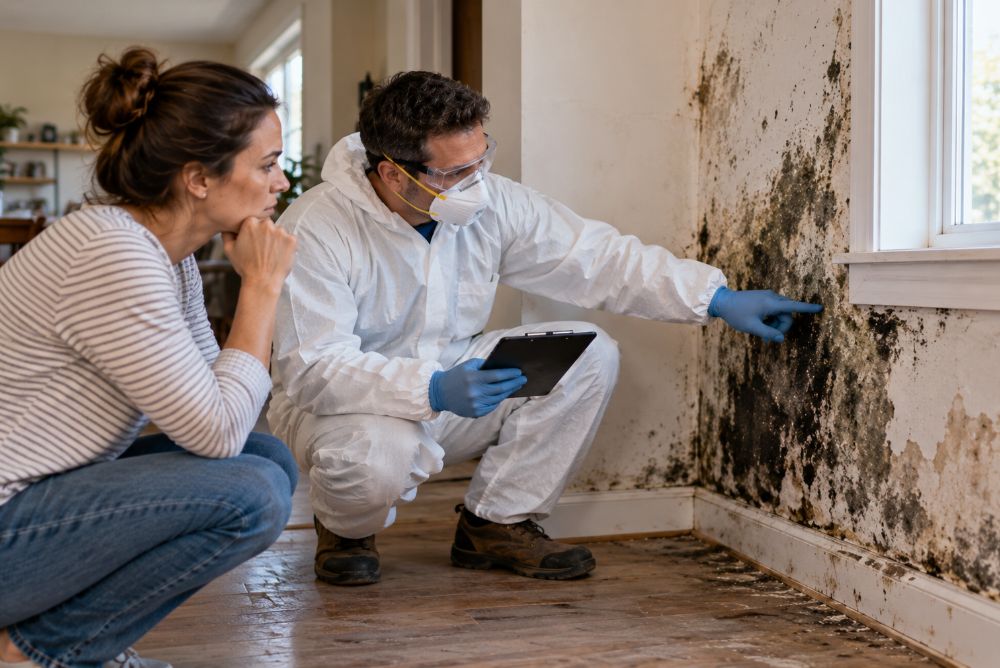
If you are searching for a mold remediation company near me, you are probably deciding either to scrub the problem away yourself or bring in a certified team. Small patches on hard surfaces can be a reasonable DIY job.
Mold inside walls, under flooring, or in a crawl space is different because you rarely see all of it. The EPA sets its homeowner cleanup guideline at roughly 10 square feet, but size is only one signal.
Below are six signs that professional remediation is the safer choice, plus what a trained team does that a spray bottle cannot.
Signs You Need a Professional Mold Remediation Company
Some mold problems go beyond what you can safely clean yourself. Recognizing the warning signs early can help you determine when to call a professional mold remediation company to address the growth and identify the underlying moisture problem.
1. The Mold Covers More Than 10 Square Feet
The EPA treats about 10 square feet, roughly a 3-by-3-foot patch, as the upper limit for homeowner cleanup. Past that point, scrubbing disturbs far more spores than a household can safely contain.
Measure before you touch anything. If the patch is larger than a bath towel, or you keep finding new spots nearby, the growth has likely spread into materials you cannot see. Porous materials like drywall, insulation, and carpet are the usual culprits, and you often can’t clean them. They have to be removed.
2. The Mold Followed Water Damage or Sewage
Mold can start growing within 24 to 48 hours of water exposure, according to the EPA. A burst pipe, a failed water heater, or a storm leak can soak insulation and subfloors long before any stain appears on the surface.
Sewage is a separate category. Contaminated water carries bacteria along with moisture, so cleanup needs protective equipment and proper disposal. H2O Away’s water damage restoration and sewage cleanup team dries and decontaminates first, so mold doesn’t get a second chance.
3. You Smell Mold but Cannot Find It
A musty odor with no visible source usually means growth inside a wall cavity, under carpet, or above a ceiling. Wiping down the nearest surface does not reach it.
Professionals trace the odor back to the source with moisture detection and a methodical inspection. Opening walls at random only spreads spores, and it often damages drywall that was still salvageable. A targeted look saves both time and repair costs.
4. The Mold Keeps Returning After You Clean It
Mold that comes back within weeks is a moisture problem, not a cleaning problem. Bleach and store-bought sprays can lighten a stain while the damp material underneath keeps feeding the colony. The EPA also notes that bleach is not required for routine mold cleanup.
Recurring growth points to a leak, poor ventilation, or trapped humidity. A proper mold testing and remediation visit looks for that cause first, then removes the mold. Without that step, even a perfect cleanup is temporary.
5. It Is in the HVAC System or a Hard-to-Reach Space
If you suspect mold in your heating or cooling system, the EPA recommends turning it off and calling a professional. Running it can push spores through every room.
Attics, crawl spaces, and behind cabinets present a different problem. They are tight, poorly lit, and hard to contain without proper barriers, making DIY cleanup risky and incomplete.
6. Someone in the Home Is Sensitive to Mold
Mold exposure can aggravate asthma and allergies, and people with weakened immune systems face higher risk. If a child, an older adult, or someone with a respiratory condition lives in the home, avoid disturbing the growth yourself.
Containment protects everyone during removal. A health professional can advise on symptoms, while a restoration team handles the property.
What a Professional Mold Remediation Visit Includes
A thorough job follows a clear order. The team inspects the area, identifies the moisture source, and seals off the affected zone so spores stay put. The team removes contaminated materials that cannot be cleaned, cleans and treats the space, and restores the area to a usable condition.
That sequence is the difference between removing mold and moving it around the house. It is also why a quick wipe-down, however thorough it feels, rarely lasts long.
Conclusion
Small, surface-level mold on a hard surface is a reasonable DIY job. Mold that is large, hidden, recurring, tied to water or sewage, or near vulnerable family members is not. If you recognize any of these six signs, calling a trusted mold remediation company near me protects your health and your home’s structure, and it usually costs less than repairing the damage that delay causes.
FAQs
How much mold can I clean myself?
The EPA suggests homeowners can usually handle areas smaller than about 10 square feet on hard, non-porous surfaces, with gloves, eye protection, and a respirator. Larger areas, HVAC contamination, or sewage-related mold call for a professional.
Does bleach kill mold?
Bleach can discolor surface mold, but it does not fix the moisture behind it. The EPA says bleach is not required for routine cleanup, and that detergent and water work on non-porous surfaces when followed by thorough drying.
Does homeowners insurance cover mold remediation?
It depends on your policy and what caused the mold. Coverage is more likely when mold follows a sudden covered water loss, such as a burst pipe. H2O Away works with all insurance companies and can communicate with your adjuster.
Can I stay home during mold remediation?
That depends on the size and location of the affected area. Containment limits spore spread, but your inspector can tell you whether you should leave, especially if someone in the home is sensitive to mold.
How do I choose a mold remediation company?
Look for IICRC-certified technicians, a clear plan for containment, and a commitment to find the moisture source. Ask for a free inspection and a clear scope of work before any removal begins.
Need a Second Opinion on Mold?
If you are not sure what you are looking at, H2O Away offers free inspections across Olympia, Tumwater, and Thurston County. Request an inspection today from our team and get started.