
Is Black Mold Really Dangerous? What Homeowners Should Know
Published
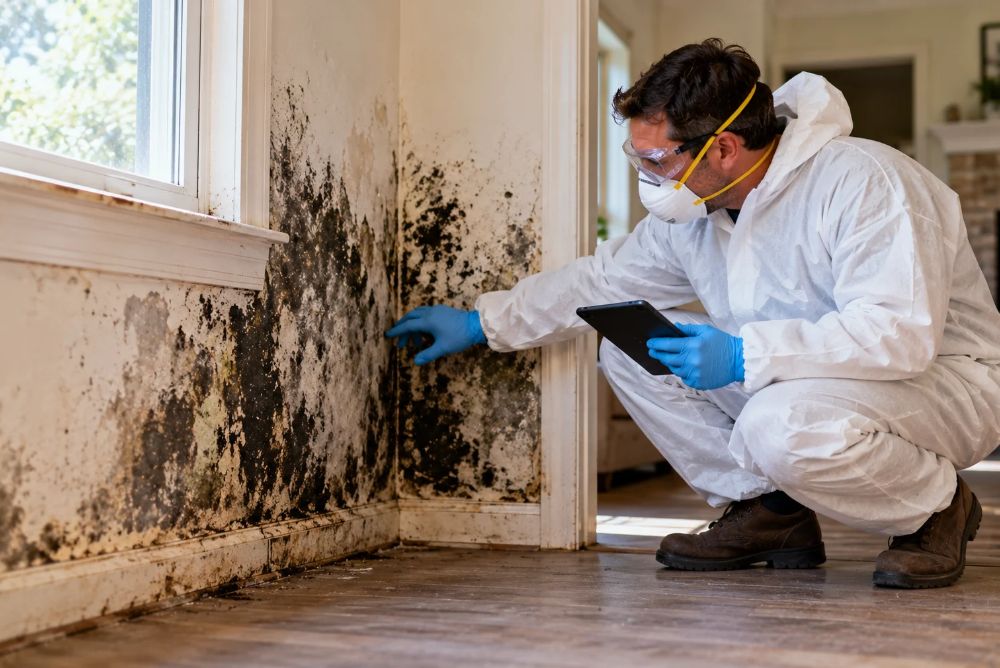
Black mold can pose health risks, but the severity depends on how much it has grown, how long it has been present, and the health of the people living in the home.
Others develop coughing, irritated eyes, or worsening asthma. Either way, mold means moisture is trapped where it shouldn’t be, and the problem keeps growing until someone fixes it.
This guide separates fact from fear regarding black mold dangers. It covers the health risks, where mold hides in Olympia-area homes, what you can safely handle yourself, and when it’s better to call a professional.
What Is Black Mold, and Why Does It Scare People?
Black mold generally refers to Stachybotrys chartarum, a dark greenish-black fungus that feeds on wet, cellulose-containing materials such as drywall paper, wood, and ceiling tiles. It requires a constant supply of moisture, which is why it usually appears after leaks or flooding rather than from normal humidity.
It is commonly called “toxic mold” and mainly causes anxiety. Although health agencies have not proven that black mold is especially deadly, you should still take notice of any mold that grows inside the house.
How Serious Are Black Mold Dangers for Your Health?
Health risk depends on exposure levels and who is breathing it in. According to the CDC, mold can cause a range of effects, most commonly allergic and respiratory.
Symptoms to Watch For
Common reactions are nasal congestion, coughing, wheezing, itchy or watery eyes, and skin irritation. As these symptoms resemble colds and seasonal allergies, timing matters. If your symptoms improve while you are away from home and return when you get back, look for moisture and mold.
Who Faces the Highest Risk
Those people who have asthma, allergies, chronic lung conditions, or a weak immune system are likely to react more strongly, and special care should be taken with infants and older adults as well. Although rare reports link mold to serious illness, no definite link has been proven. If symptoms persist, discuss them with a doctor.
Where Black Mold Hides in Olympia-Area Homes
Our long wet season gives mold plenty of chances. We most often find it in places nobody checks:
- Crawl spaces and under-sink cabinets after slow plumbing leaks
- Behind drywall and under flooring following water damage
- Ceilings and attics below roof leaks
- Walls soaked by hoses after a fire
A musty odor, bubbling paint, or a stained ceiling can signal hidden damage. A clean-looking wall doesn’t guarantee it’s dry. Professional technicians use moisture meters and thermal imaging cameras to trace water inside wall cavities and subfloors because mold feeds on that hidden moisture.
Can You Identify Black Mold by Its Color?
No. Black or dark-colored growth does not necessarily mean it is black mold. Several mold species can appear dark, and appearance alone cannot reliably identify the species. Laboratory testing may be needed to identify the specific type of mold.
Regardless of color, address visible mold by removing the growth and correcting the moisture source. A professional inspection can help determine the extent of the problem, including moisture damage and mold growth in concealed areas.
When Can You Clean Mold Yourself, and When Should You Call a Professional?
Small areas of mold on hard surfaces may be manageable with proper precautions, but larger or hidden infestations often require professional attention. The EPA generally recommends professional remediation when the affected area exceeds approximately 10 square feet.
- DIY Cleanup: You can clean small patches on hard surfaces with detergent and water, using appropriate protective equipment, including gloves, goggles, and an N95 respirator.
- Professional Remediation: Seek professional help if mold covers a large area, repeatedly returns, affects an HVAC system, or develops after flooding or a sewage backup.
Professional mold remediation may involve containment, removing contaminated materials, and fixing the underlying moisture problem. These steps help prevent further mold growth and reduce the spread of mold particles into unaffected areas.
How to Keep Mold From Coming Back
The EPA recommends drying wet materials within 24 to 48 hours to stop most mold before it starts. Fix leaks quickly, vent bathrooms and kitchens, and keep indoor humidity between 30 and 60 percent. Pull up soaked carpet padding instead of hoping it dries. Painting over mold only hides it, because it returns through the paint when moisture remains.
Conclusion
The real black mold dangers are easier to see once the hype is stripped away. It is not a guaranteed health emergency, but it is a clear sign of hidden moisture, and it can aggravate allergies, asthma, and breathing problems. Dry wet areas fast, watch for symptoms, and do not guess about hidden growth. When mold is large, recurring, or tied to flooding, an inspection shows exactly what you are dealing with.
FAQs
What are the symptoms of black mold exposure?
Typical symptoms of black mold exposure are coughing, wheezing, nasal congestion, itchy eyes, and skin irritation. People with asthma or allergies may have more severe reactions, such as difficulty breathing. If symptoms improve when you’re away from home, it suggests the cause is indoors, and a doctor can rule out other possible causes.
Is black mold more dangerous than other types of mold?
There is no evidence to the contrary. While all indoor mold can cause allergic and respiratory reactions, health authorities have not demonstrated that black mold is particularly harmful. Treat any mold growth as an indication of a moisture issue that needs correction.
How long does it take for black mold to grow?
Mold can start growing on wet materials within 24 to 48 hours. Black mold tends to favor materials that stay soaked for extended periods, such as drywall behind a slow leak. Fast drying after a leak is the best protection.
Can I remove black mold myself?
Small areas underneath about 10 square feet on hard surfaces can usually be looked after by using the correct protective measures, but in the case of larger areas, mold inside the walls or growth that appears after a flood, you should get professionals involved since rubbing the mold dry can cause the spores to spread throughout the house.
Can you stay in a house with black mold?
It depends on the size of the problem and who lives there. People with asthma, allergies, or weakened immune systems should avoid the affected area. Keep the space closed off, do not disturb the growth, and have the moisture source inspected promptly.
Concerned About Mold in Your Home?
H2O Away offers free mold inspections across Olympia and Thurston County, including Tumwater. Our team finds the moisture source, contains the affected area, and handles removal and restoration.
Request a free inspection today.