
How Smoke Damage Affects Your Home Long After a Fire
Published
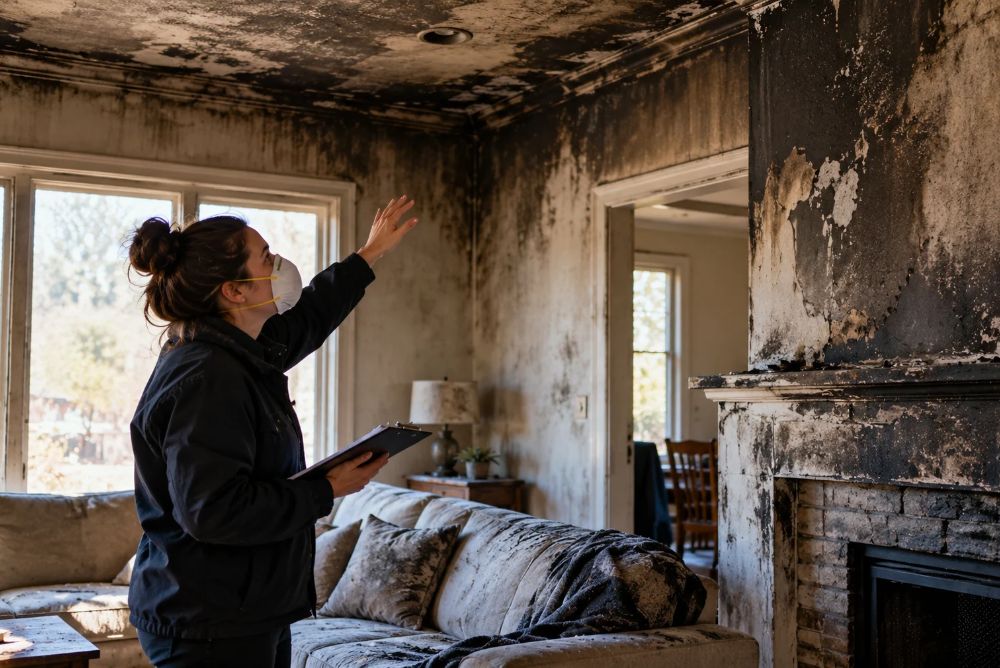
Smoke damage rarely stops when the fire is put out. Soot particles continue to react with surfaces, odors keep resurfacing in fabric and drywall, and materials that looked fine right after the fire can discolor or corrode weeks later. Understanding how this works helps homeowners avoid mistaking a temporary fix for a finished job.
Why the Damage Keeps Spreading After the Fire Is Out
Smoke residue is acidic, and that acidity doesn’t stop working once the flames are gone. It keeps reacting with paint, metal, and fabric as long as it sits there.
This is why a room that looks only lightly affected the day after a fire can show staining, pitting, or discoloration a week later. The soot residue left behind is still chemically active, not just surface dirt.
How Smoke Travels Beyond the Fire
The effects often reach rooms the fire never touched. Smoke moves through hallways, HVAC ducts, and gaps around doors, carrying soot particles and odor into spaces far from the source.
This is one of the more surprising parts of fire recovery for homeowners. A kitchen fire can leave a fine film on furniture in an upstairs bedroom, and clothing in a closed closet can still pick up a persistent odor.
What Soot Residue Does to Building Materials
This kind of damage affects different materials in different ways, and some of it isn’t visible right away. Acidic residue can tarnish metal fixtures, discolor painted walls, and etch glass within hours, while wood finishes and flooring can take longer to show the effect.
Metal pipes, appliance fittings, and electrical components are especially vulnerable. Left untreated, corrosion can progress long after the initial cleanup, which is why a quick wipe-down often isn’t enough on its own.
Why the Smell Keeps Coming Back
A persistent smoky smell after cleaning usually means odor particles are still trapped inside porous materials. They cling to fabric, upholstery, carpet padding, and insulation, and can resurface with humidity or heat even after surfaces look clean.
University extension guidance on post-fire cleanup notes that removing lingering odor typically takes repeated washing, along with professional cleaning of HVAC systems and ductwork, since ash and soot residue inside the system can reintroduce the smell throughout the home.
When It Signals a Bigger Problem
Not every trace of soot or residue requires professional attention, but some signs indicate something more serious. Watch for:
- Metal fixtures that look tarnished or pitted days after the fire
- An odor that returns after cleaning
- Soot in rooms the fire never reached
- HVAC vents that still smell smoky after the system runs
- Discoloration that appears on walls or ceilings after the initial cleanup
If several of these show up together, the residue likely reached further than a surface cleaning can address. H2O Away’s fire and smoke damage restoration team documents affected areas thoroughly, which also supports the insurance claim process.
What Homeowners Can Do Before Professional Help Arrives
If it’s safe, opening windows and running fans can help move the odor out of the home while you wait for restoration to begin. Keep closet doors and cabinets open, since trapped air holds smell longer than ventilated spaces.
Avoid using household cleaners on soot-covered surfaces before documenting anything for insurance. Wiping too soon can spread the acidic residue rather than remove it, and it can also make it harder to show an adjuster the original extent of what happened.
Frequently Asked Questions
How long does smoke damage take to show up after a fire?
Some effects appear within hours, like tarnished metal or etched glass, while others develop over days or weeks as acidic residue continues to react with surfaces. This is why a home can look fine right after a fire and show new discoloration later.
Can the effects reach rooms that weren’t near the fire?
Yes. Smoke moves through air ducts, hallways, and gaps around doors, so soot and odor can reach rooms far from where the fire started.
Why does my house still smell like smoke after cleaning?
Odor particles often get trapped inside porous materials like carpet, insulation, and upholstery. Surface cleaning removes visible soot but may not reach the source of a lingering smell.
Is it safe to clean this myself?
Light surface soot in a small area can sometimes be handled with careful cleaning. Still, acidic residue, HVAC contamination, and widespread soot usually call for professional equipment and documentation for your insurance claim.
Does homeowners insurance cover the cost of restoration?
Fire and smoke damage are typically covered perils, but coverage details vary by policy. Contact your insurer directly to confirm what your specific policy includes.
Conclusion
A fire feels like the emergency, but the days that follow often determine how much of your home you can actually keep. Acidic residue and trapped odor don’t pause while you decide what to do next, and the longer they sit, the more they affect materials that could otherwise be saved.
H2O Away provides fire and smoke damage restoration for homes throughout Olympia and Thurston County, with documentation formatted for your insurance claim. If your home has been affected by a fire, reach out for a free inspection before smoke damage has a chance to spread any further.