
Top 5 Fire Restoration Myths And What Homeowners Really Need to Know
Published
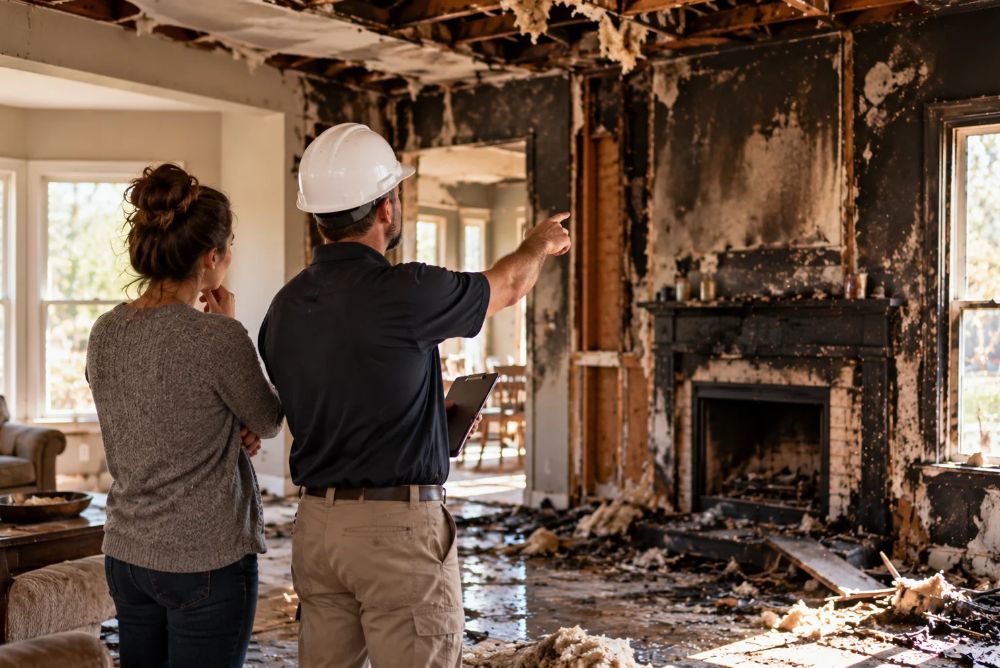
Fire restoration myths spread quickly after a house fire, often because homeowners are making decisions under stress with little prior experience to draw on. Believing the wrong one can mean skipped cleanup, a denied insurance claim, or damage that quietly gets worse while everyone assumes the hard part is over.
Here are five of the most common fire restoration myths and what’s actually true.
Myth 1: If the Fire Was Small, You Don’t Need Professional Cleanup
This is one of the most common fire restoration myths, and it’s also one of the most costly. Even a small, contained fire produces soot residue that travels well beyond the room where it started, carried through hallways, ductwork, and gaps around doors.
Soot is acidic, which means it continues to react with surfaces after the fire is out. Left untreated, it can tarnish metal fixtures, discolor paint, and gradually damage flooring or upholstery in rooms the flames never touched. A quick wipe-down handles what’s visible, but it doesn’t stop the acidic residue from continuing to work on surfaces you can’t see as easily, like inside outlets or behind appliances.
Myth 2: Smoke Odor Goes Away on Its Own Once You Air Out the House
Opening windows helps, but it rarely solves the underlying problem. Smoke odor comes from microscopic particles that embed deep within porous materials like carpet, insulation, upholstery, and drywall, and airflow alone doesn’t reach them.
This is why a house can smell smoke-free for a few days, only for the odor to return, especially when humidity rises or the HVAC system runs again. Ductwork and HVAC components often retain soot and ash long after surfaces appear clean, which is why odor removal typically requires more than open windows and time.
Myth 3: Insurance Automatically Covers All Fire and Smoke Damage
Fire and smoke damage are commonly covered perils under most homeowners policies, but “commonly covered” isn’t the same as “automatically covered in full.” Coverage details, deductibles, and what counts as direct versus secondary damage can vary significantly by policy.
Believing this myth can lead homeowners to skip documentation they’ll need later. Photograph the damage before cleanup begins, keep receipts for any temporary repairs, and contact your insurer early to understand what your specific policy requires. This is one of the fire restoration myths that doesn’t cause immediate harm but can complicate a claim weeks later, when documentation is harder to reconstruct.
Myth 4: Repainting or Replacing Damaged Items Fixes the Problem
Repainting a smoke-stained wall or replacing a scorched piece of furniture addresses what you can see, but it doesn’t necessarily address what’s underneath. Acidic soot residue left on a surface before repainting can continue reacting with the new paint, sometimes causing discoloration or peeling months later.
The same applies to structural components. Metal pipes, electrical fittings, and framing exposed to smoke can gradually corrode if the residue isn’t properly neutralized first. Painting over a problem is a common shortcut, because the result looks finished right away, even when the underlying issue hasn’t actually been resolved.
Myth 5: You Can Wait a Few Weeks Before Starting Restoration
Waiting feels reasonable when a home still looks standing and livable after a fire, but the acidic nature of soot means damage tends to worsen the longer it sits untreated. What starts as tarnishing on a metal fixture can progress to real corrosion, and staining that looked minor can become permanent.
There’s also the added complication of moisture. If firefighting efforts involved water, that moisture combined with soot residue increases the risk of both material damage and mold growth if it isn’t addressed promptly. Acting sooner rather than later isn’t about urgency for its own sake. It’s about limiting how far preventable damage spreads before anyone starts working on it.
Why These Fire Restoration Myths Persist
Most of these ideas aren’t the result of bad information so much as reasonable assumptions made during a stressful, unfamiliar situation. A homeowner dealing with a fire for the first time has no real baseline for what smoke damage typically entails or how long it can take for its effects to appear.
That gap is exactly where a professional assessment adds the most value. H2O Away’s fire and smoke damage restoration process starts by evaluating how far smoke and soot actually traveled, not just what’s visible in the room where the fire occurred, and documents everything for your insurance claim along the way.
Frequently Asked Questions
How do I know if smoke damage is serious enough to need professional help?
If soot reached more than one room, if metal fixtures look tarnished, or if the odor persists after airing out the home, professional assessment is worth pursuing. Acidic residue often causes damage that isn’t immediately obvious.
Does a small kitchen fire still need smoke damage cleanup?
Yes, in most cases. Even a small, contained fire can send soot through ductwork and hallways into other rooms, and the acidic residue continues affecting surfaces until it’s properly cleaned.
Will painting over smoke stains cause problems later?
It can. Soot residue left on a surface before painting may continue to react with the paint, sometimes leading to discoloration or peeling months later.
Is it true that insurance always covers fire damage cleanup?
Fire and smoke damage are typically covered perils, but coverage specifics vary by policy. Contact your insurer directly and document the damage thoroughly before cleanup begins.
How soon should fire restoration start after a house fire?
Sooner is generally better, since acidic soot residue continues to affect materials the longer it’s left untreated. Waiting even a few weeks can turn manageable damage into a larger repair.
Getting the Real Story Before You Make a Decision
Fire restoration myths tend to feel true because they match what a stressed homeowner wants to believe: that the damage is contained, that insurance has it handled, that a fresh coat of paint means the problem is over. The reality is usually less convenient, but knowing it early is what actually protects your home and your budget.
If your Thurston County home has experienced fire or smoke damage, H2O Away offers a free inspection to assess what’s actually affected, not just what looks damaged. Getting an accurate picture now is the best way to avoid the costlier surprises these fire restoration myths tend to leave behind.