
What Makes Pacific Northwest Homes Prone to Mold Growth?
Published
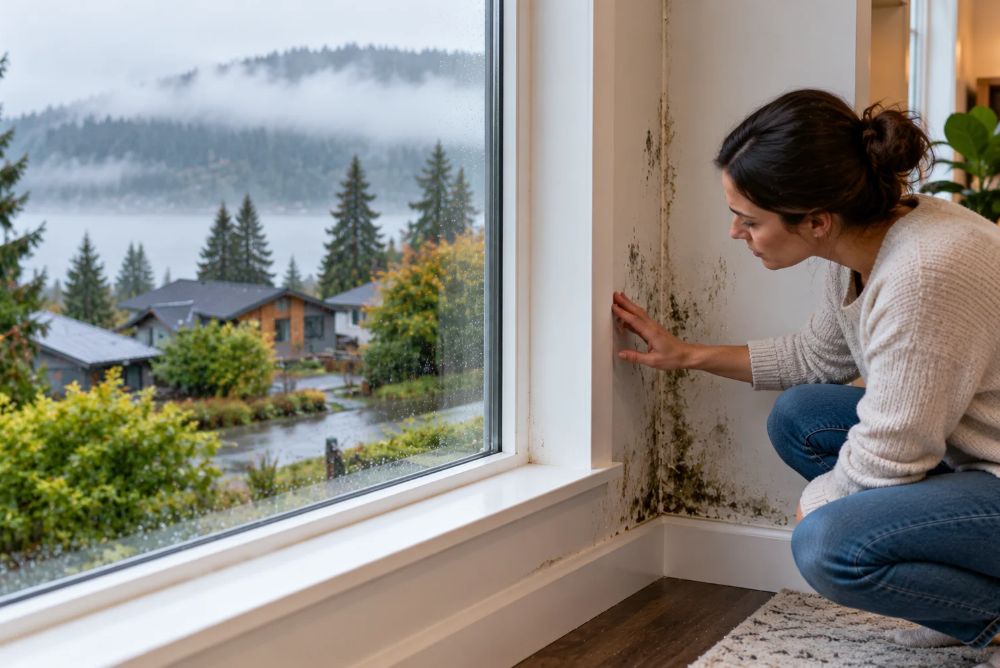
The biggest mold growth causes in Pacific Northwest homes all trace back to moisture. Long, wet months, humid indoor air, weak ventilation, and condensation on cold surfaces can keep materials damp. Add a slow leak, and the mold spores already present indoors finally get the water they need to grow.
None of this means every home here has mold. It means the margin for error is thinner.
Why Is the Pacific Northwest So Moist?
Western Washington has a long, cool rainy season. The Office of the Washington State Climatologist places it from October through March. Months of wet weather mean damp soil, soaked siding, and outdoor air that does little to help a house dry out.
Cool weather also changes how people live. Windows stay shut, clothes dry indoors, and the heat runs for months. That traps the moisture a household creates every day, from showers and cooking to even breathing.
How Does Indoor Humidity Contribute to Mold?
High indoor humidity gives mold the moisture it needs without a single drop of standing water. The EPA recommends keeping indoor humidity below 60 percent, ideally between 30 and 50 percent.
A simple hygrometer shows where your home sits. The Washington State Department of Health notes that mold often grows in rooms with high water use and humidity, such as kitchens, bathrooms, laundry rooms, and basements.
Can Poor Ventilation Cause Mold Problems?
Yes. Without enough airflow, moisture from showers, cooking, and laundry lingers and settles into drywall, wood, and fabric instead of leaving the house.
Watch for bathroom fans that barely pull air, range hoods that recirculate instead of venting outside, and dryer vents that end in an attic or crawl space. Attics with blocked soffit vents can also trap warm, damp air under the roof deck.
How Does Condensation Lead to Mold?
Condensation forms when warm, moist indoor air comes into contact with a cold surface and turns back into water. In a cool, damp climate, windows, exterior walls, and cold-water pipes can remain damp for long stretches.
That is why mold often appears on window sills, in the corners of outside walls, and behind dressers or headboards pushed against them. Wiping windows dry each morning and keeping every room heated can help.
Can Leaks and Water Damage Cause Mold?
Yes. Plumbing leaks, roof leaks, appliance failures, and flooding soak building materials, and hidden leaks are among the hardest causes of mold to detect.
The EPA says that drying wet materials within 24 to 48 hours of a leak usually prevents mold growth. The trouble is that a drip inside a wall or under a sink can go unnoticed far longer than that.
Wet drywall, wet insulation, and carpet pad hold moisture long after the surface feels dry, and a musty odor is often the first clue. After a leak, professional water damage restoration can find and dry moisture you can’t see.
Why Are Basements and Crawl Spaces Vulnerable?
Basements and crawl spaces sit closest to wet soil, get little airflow, and stay cool, so moisture collects there easily. Few people check these spaces often, so problems go unnoticed.
In a crawl space, look for standing water, a torn or missing vapor barrier, damp or sagging insulation, and dark staining on floor joists. The EPA notes that moisture from a crawl space can move into the rest of the house through cracks in floors and walls.
Outside, overflowing gutters or downspouts that dump water next to the foundation send rain straight toward these spaces.
How Can Homeowners Reduce Mold Risk?
Controlling moisture is the key to preventing mold. Fix leaks fast, vent moist air outside, keep humidity in check, and dry anything wet as quickly as possible.
Most mold growth causes can be managed with routine habits:
- Run bathroom fans during showers and for about 15 minutes after.
- Use range hoods that vent outdoors when cooking.
- Keep every room heated so walls and windows stay warmer.
- Clean gutters and point downspouts away from the foundation.
- Check under sinks, around toilets, and behind appliances every few months.
- Inspect the crawl space and attic after major storms.
If mold covers a large area, keeps coming back, or you smell it without seeing it, professional mold testing and remediation can contain the growth and find the moisture source behind it.
Frequently Asked Questions
Why does mold grow so easily in the Pacific Northwest?
The climate makes indoor moisture harder to control, and mold needs moisture to start growing. A home that stays dry through the rainy season is far less likely to have a problem.
What humidity level can encourage mold growth?
Indoor humidity that stays above 60 percent can encourage mold growth. Aim for 30 to 50 percent, and use a dehumidifier in basements or rooms that stay damp.
Can a small water leak cause mold?
Yes. A slow drip that keeps wood or drywall damp can support mold even if you never see standing water, which is why small leaks deserve quick repair.
Can I just paint over mold?
No. The EPA advises cleaning mold and drying the surface before painting, since paint applied over mold is likely to peel and the moisture problem remains.
Do I need to test for mold if I can see it?
Usually not. The Washington State Department of Health says you can usually see or smell mold, so sampling is often unnecessary. Focus on finding and fixing the source of the moisture.
Conclusion
You can’t change the weather, but you can control what it does inside your walls. Many mold problems start with moisture someone could have caught earlier: a fan that never ran, a gutter that overflowed, a drip under the sink.
Based in Tumwater, H2O Away proudly serves homeowners throughout Olympia and Thurston County, as well as the surrounding South Puget Sound communities. Musty odors, recurring spots, or a suspected hidden leak are all signs your home needs a closer look. Call us or request a free inspection today, and don’t forget to check out which mold growth causes could be affecting your home.